
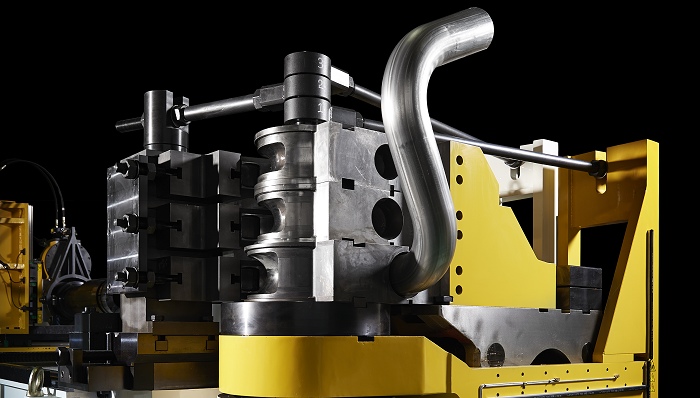
Tube bending, also known as the bending of tubes, is a fundamental metalworking process in manufacturing, construction, and other industries. Mastering tube bending techniques and selecting the right tube bending machinery is essential for creating precise, durable, and complex tubular structures.
Whether you’re a professional or a novice, understanding the basics of tube bending is essential. In this comprehensive guide, we’ll explore the fundamentals of tube bending, the machinery involved, and essential techniques to get you started on your journey.
What is Tube Bending (Bending of Tubes)?
Tube bending is a manufacturing process that involves reshaping a straight or coiled tube into a curved or angled form. This transformation allows tubes to fit specific design requirements and applications, making them indispensable in industries such as automotive, aerospace, construction, and HVAC.
Tube Bending Machinery
The heart of tube bending, or the bending of tubes in industrial settings, lies in specialised machinery designed to manipulate tubes accurately and efficiently.
There are several types of tube bending machines:
- Manual Tube Benders: These machines require physical force applied by the operator to bend the tube. They are suitable for low-volume production and simple bends but can be labour-intensive.
- Hydraulic Tube Benders: Hydraulic machines use hydraulic pressure to bend tubes. They offer more precision and are ideal for medium to high-volume production.
- CNC Tube Benders: Computer Numerical Control (CNC) tube benders are the pinnacle of tube bending technology. They use computer programs to control the bending process with high precision, making them perfect for intricate, repetitive, and high-volume tasks. Modern CNC tube bending machines allow for high-precision tube fabrication, enabling repeatable bends in stainless steel, copper, and aluminium. Choosing the right machinery for the material and bend radius is crucial.
Tube Bending Techniques
Understanding tube bending techniques is crucial for achieving accurate and consistent results in the bending of tubes across different applications.
Here are some common techniques used in tube bending:
- Rotary Draw Bending: This method uses a mandrel, which is inserted into the tube during bending to prevent it from collapsing. Rotary draw bending is precise and ideal for tight-radius bends.
- Mandrel Bending: Mandrel bending, as mentioned earlier, involves the use of a mandrel inside the tube to maintain its shape during bending. It’s excellent for achieving smooth, wrinkle-free bends.
- Compression Bending: Compression bending doesn’t use a mandrel but relies on compressing the outside of the tube to prevent it from wrinkling. It’s suitable for larger radius bends and less critical applications.
- Roll Bending: Roll bending uses rollers to gradually bend the tube to the desired shape. It’s often used for bending larger-diameter tubes and creating curved or helical shapes.
Learn more about how Tube Material Affects Bending Performance
Key Considerations
When undertaking the bending of tubes, there are essential considerations to keep in mind:
- Tube Material: The type of material you’re working with, such as stainless steel, aluminium, or copper, impacts the bending process. Each material has different characteristics and requires specific techniques and tooling.
- Tube Diameter and Wall Thickness: The diameter and wall thickness of the tube influence the bending process. Thicker walls and larger diameters require more force and specialised machinery.
- Bend Radius: The bend radius determines how tight or gradual the bend will be. Smaller radii require more precise machinery and techniques.
- Tooling and Dies: The choice of tooling and dies is critical to achieving accurate bends. Custom tooling may be necessary for unique projects.
Practical / Industry Use
Industries such as automotive, aerospace, and HVAC rely on the precise bending of tubes to produce components like brake lines, fuel pipes, and ducting.
- Automotive: brake lines, exhaust systems, roll cages
- Aerospace: hydraulic and fuel lines, airframe tubing
- HVAC: ducting, pipework, radiator tubing
- Furniture & architecture: handrails, structural elements
Safety Measures
Safety is paramount in tube bending. Here are some safety measures to observe:
- Personal Protective Equipment (PPE): Operators should wear appropriate PPE, including safety glasses, gloves, and hearing protection.
- Machinery Safety: Ensure that the tube bending machine is in good working condition and that all safety guards are in place.
- Proper Training: Operators should receive proper training on using the machinery and following safety protocols.
- Material Handling: Handle tubes with care to prevent injuries and damage to the material.
Common Tube Bending Mistakes to Avoid
Even experienced operators can make mistakes in tube bending.
Here are some common errors to watch out for:
- Overbending: Bending a tube too far can cause wrinkles or kinks. Accurate measurement and control are essential.
- Insufficient Support: Inadequate support can lead to deformation or collapse of the tube during bending. Always use the appropriate support, like mandrels or wiper dies.
- Incorrect Material Selection: Using the wrong material or tubing specifications can result in failed bends or structural issues.
- Inadequate Lubrication: Proper lubrication is essential to reduce friction and prevent damage to the tube during bending.
Tube bending is a versatile and essential process in various industries. Understanding the basics of tube bending, including machinery, techniques, considerations, and safety measures, is crucial for achieving successful results.
Learn More About Common Tube Bending Mistakes and How to Avoid Them
Why the Bending of Tubes is Essential in Modern Manufacturing
The bending of tubes is essential in modern manufacturing, allowing components to be formed into precise shapes for efficient and space-saving designs. Reducing the need for joints and welds improves strength, reliability, and overall product quality.
Across industries such as automotive, aerospace, and construction, the bending of tubes supports the production of lightweight, durable, and high-performance systems. With the use of advanced CNC machinery, manufacturers can achieve consistent, accurate results at scale, making it a key process in today’s industrial production.
Final Words
Whether you’re a novice or an experienced professional, mastering the art of tube bending and the wider bending of tubes opens up a world of possibilities for creative and efficient metalworking projects.
Ready to improve your workshop with high-quality tube bending machinery?
Contact our experts to discuss the best solution for your production needs.