
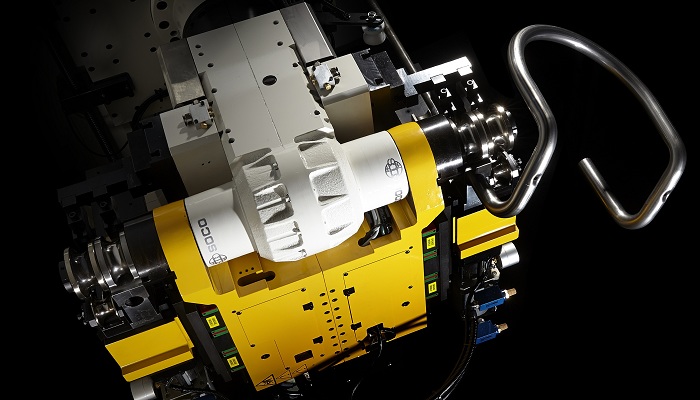
Tube bending is an essential process in industries ranging from automotive to construction, medical equipment, and furniture manufacturing. When done correctly, it ensures precision, durability, and efficiency.
But even small mistakes in tube bending can lead to costly errors, wasted materials, and compromised product quality. In this guide, we’ll highlight some of the most common tube bending mistakes and show you how to avoid them.
Using the Wrong Tube Material
Mistake: Not all metals bend the same way. Using a tube material that isn’t suited to your bending method can result in cracking, deformation, or springback.
Solution:
- Understand the mechanical properties of your material (e.g., ductility, tensile strength).
- Choose a tube material compatible with your bending method, whether it’s rotary draw, mandrel bending, or compression bending.
Ignoring Bend Radius Guidelines
Mistake: Bending a tube too tightly or too sharply can lead to kinks, wrinkles, or weakening of the tube wall.
Solution:
- Always adhere to the minimum bend radius recommended for your tube diameter and material.
- Consider using mandrels or internal supports for tighter bends to maintain shape integrity.
Poor Tooling Selection
Mistake: Using the wrong tooling for your machine or tube type can cause inconsistent bends or damage to the tube.
Solution:
- Match your tooling to the tube material, diameter, and wall thickness.
- Regularly inspect dies and mandrels for wear and replace them when needed.
Overlooking Machine Calibration
Mistake: Machines that are out of alignment or poorly maintained can produce inaccurate bends and wasted materials.
Solution:
- Schedule routine maintenance checks and calibration for all bending machinery.
- Train operators to monitor machine performance and report any irregularities.
Neglecting Lubrication
Mistake: Insufficient lubrication increases friction, which can cause scratches, surface defects, and increased wear on tools.
Solution:
- Use the recommended lubricant for your material and bending method.
- Apply consistently and clean excess buildup after each run.
Underestimating Springback
Mistake: After bending, tubes tend to “spring back” slightly, leading to bends that are less precise than intended.
Solution:
- Factor in springback when programming CNC machines or setting up manual bends.
- Conduct test bends to determine the exact compensation needed for your specific material.
Skipping Operator Training
Mistake: Even with the best equipment, untrained operators can make mistakes that compromise safety and quality.
Solution:
- Invest in comprehensive training for all staff handling tube bending machinery.
- Encourage ongoing learning and updates on industry best practices.
Final Thoughts
Tube bending may seem straightforward, but small mistakes can quickly escalate into major issues. By understanding common pitfalls and implementing best practices, you can ensure better efficiency, precision, and product quality.
If you want to take your tube bending operations to the next level with reliable CNC mandrel benders, expert guidance, and top-tier machinery, Langbow has the solutions you need.
Don’t let mistakes slow your production — explore Langbow’s range today!