
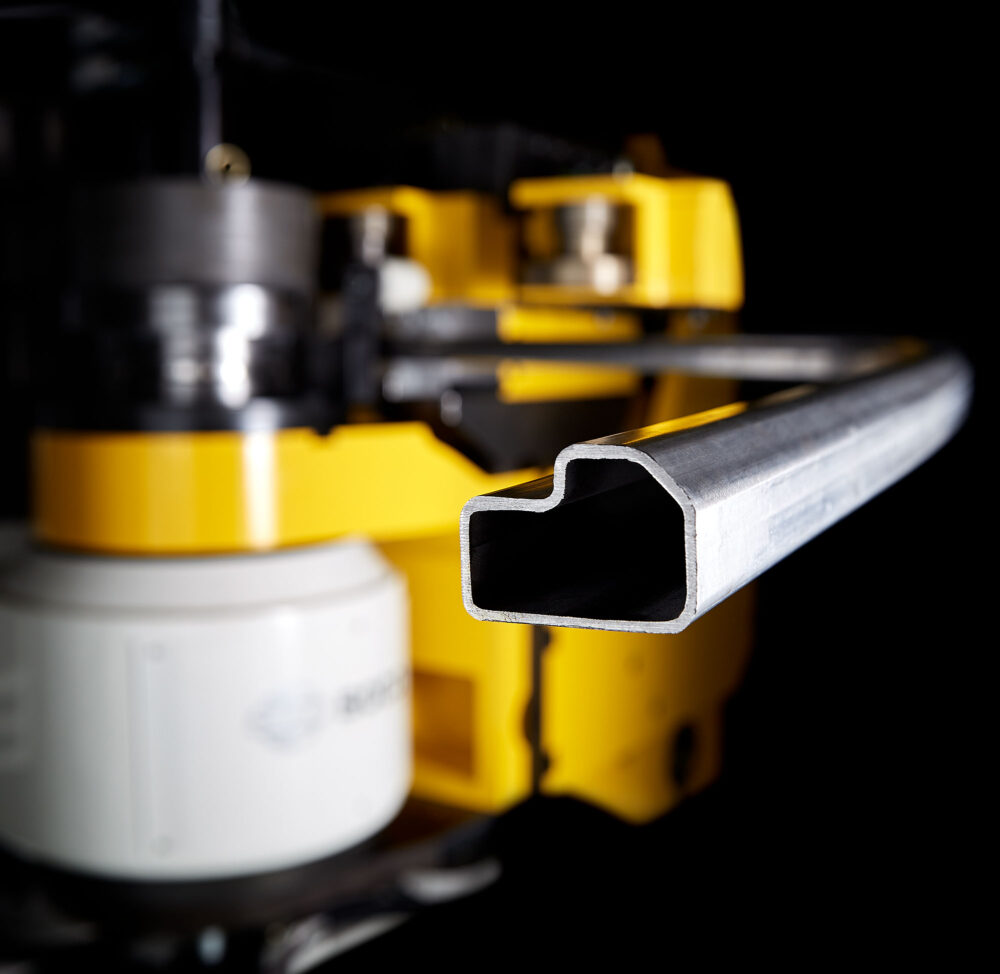
CNC mandrel benders are powerful and precise machines widely used in the tube and pipe bending industry. While they are essential tools for manufacturing and fabrication, their high-speed operations and mechanical complexity demand strict adherence to safety protocols.
Whether you’re an experienced operator or a workshop manager, understanding and following best safety practices is crucial to protect your team and equipment.
1. Understand the Equipment
Before operating a CNC mandrel bender, ensure that all operators are fully trained and understand how the machine works. This includes knowing:
- The machine’s bending capabilities and limitations
- Emergency stop locations and how to use them
- Routine maintenance procedures
Familiarity with the manufacturer’s manual and safety guidelines is non-negotiable.
2. Wear Proper Personal Protective Equipment (PPE)
Operators should always wear appropriate PPE, including:
- Safety goggles to protect from metal shavings and debris
- Gloves (where safe to do so) to prevent cuts and abrasions
- Steel-toe boots for foot protection
- Hearing protection in high-noise environments
Loose clothing, jewellery, or long hair should be secured to prevent entanglement.
3. Conduct Pre-Operation Inspections
Before using the CNC mandrel bender:
- Check the hydraulic and pneumatic systems for leaks
- Ensure the mandrel and tooling are securely in place
- Verify that all safety guards and covers are intact
- Test run the bender to ensure all systems are functioning correctly
Address any issues immediately before proceeding with the operation.
4. Maintain a Clean Workspace
A clutter-free work area reduces the risk of accidents. Ensure that:
- The floor is clear of obstructions and spills
- All tools and materials are properly stored
- Lighting is adequate for precise operation
Good housekeeping is a foundational aspect of workshop safety.
5. Use the Right Tooling and Mandrels
Using inappropriate or worn-out tooling can result in inaccurate bends, increased wear on the machine, or dangerous mechanical failures. Make sure to:
- Use the correct mandrel for the tube material and size
- Replace damaged or worn-out components promptly
- Follow the manufacturer’s recommendations for tool changes and maintenance
6. Avoid Manual Adjustments During Operation
Never reach into the machine while it is operating. If adjustments are needed:
- Hit the emergency stop
- Wait for all moving parts to come to a complete stop
- Make the necessary changes with the power off
Automation can tempt complacency, but operator vigilance is always necessary.
7. Regularly Train and Refresh Operators
Technology evolves, and so should your team’s skills. Offer regular safety briefings and hands-on training sessions to:
- Reinforce best practices
- Introduce new features or updates to machinery
- Keep safety top of mind for every operator
8. Schedule Routine Maintenance
Preventive maintenance is key to safe and efficient operation. Work with certified technicians to:
- Inspect and replace worn-out components
- Calibrate controls and sensors
- Keep software and firmware updated
A well-maintained CNC mandrel bender is a safe bender.
Stay Safe and Productive with Langbow
At Langbow, we understand the importance of combining precision with safety. That’s why we offer world-class CNC mandrel bending machines, technical support, and operator training solutions designed to keep your shop running smoothly and safely.
👉 Ready to optimise your bending operations? Visit Langbow today to explore our cutting-edge CNC solutions and expert services.